Did you know over 90% of businesses now use remote infrastructure daily? Choosing the right data foundation is key, not just an IT task. It’s a critical business strategy.
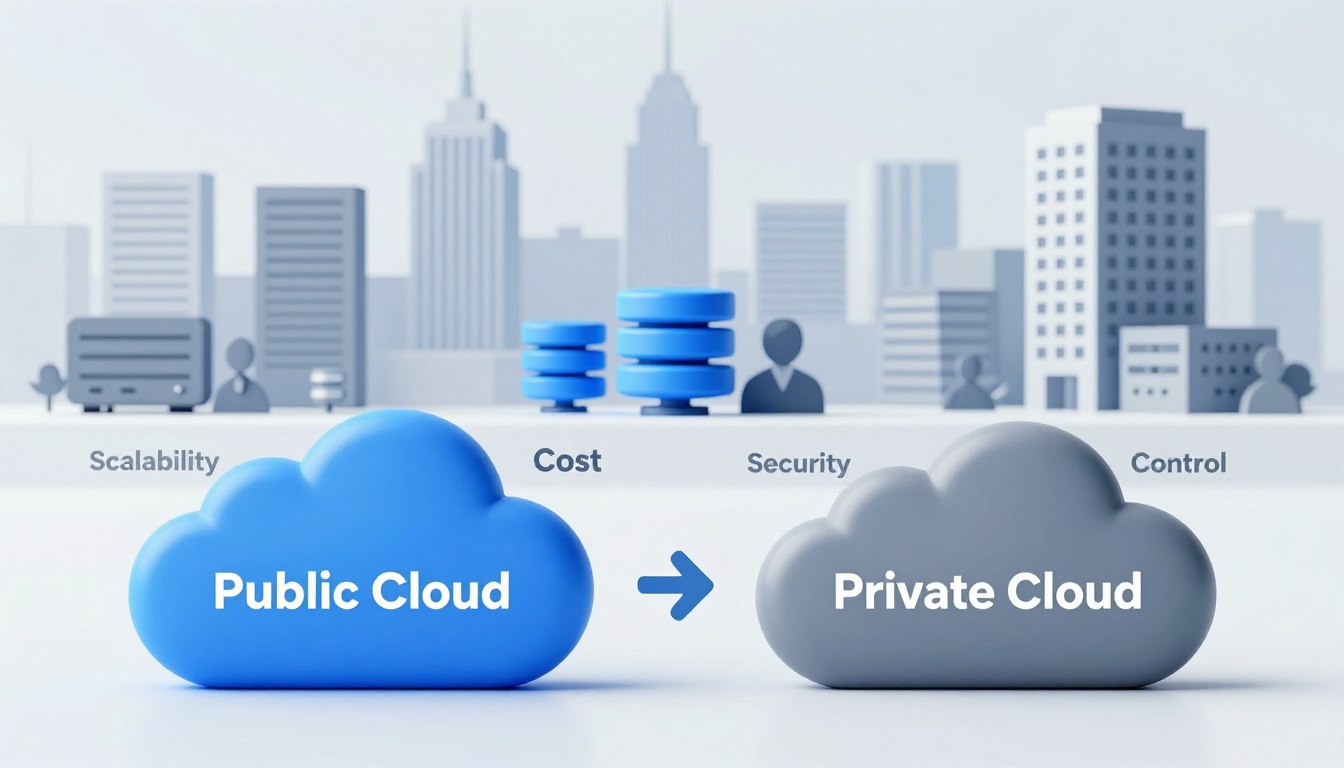
Knowing the public cloud vs private cloud: key differences is vital for success. These models meet different needs in today’s world. Pick the right one for your needs to boost performance and security.
Choosing between them might seem hard at first. But, with a clear plan, you can grow without overspending. Let’s dive into how these systems work so you can decide wisely for your team.
Key Takeaways
- Cloud infrastructure is a fundamental pillar of modern business strategy.
- Selecting the correct model directly impacts your operational efficiency.
- Security requirements often dictate which environment suits your organization best.
- Cost management varies significantly between these two primary deployment options.
- A clear roadmap helps you avoid common pitfalls during digital migration.
Understanding the Public Cloud vs Private Cloud: Key Differences

When you compare public and private cloud options, you decide where your data lives. Choosing the right infrastructure is key for any business. Knowing the differences between these cloud computing models helps you plan your IT strategy.
Defining Public Cloud Services
Public cloud services use a shared setup where a third-party manages the hardware. You share resources with others over the internet. This model is popular because it saves you from handling physical maintenance.
“The public cloud is the ultimate equalizer, providing massive scale and innovation to businesses of all sizes without the need for heavy upfront capital.”
Key features of these services include:
- Elasticity: You can scale resources up or down instantly based on demand.
- Cost-Efficiency: You pay only for what you use.
- Accessibility: Services are available worldwide, great for remote teams.
Defining Private Cloud Solutions
Private cloud solutions offer a dedicated space just for your organization. You control the hardware, software, and network. This is best for industries with sensitive data and strict rules.
Private clouds offer better performance because they’re not shared. The initial cost is higher, but they offer customization and security for specific needs.
Core Architectural Distinctions
The main difference is in ownership and isolation. Public clouds focus on shared efficiency, while private clouds prioritize control. Knowing these differences helps you choose the best for your needs.
| Feature | Public Cloud | Private Cloud |
|---|---|---|
| Hardware Ownership | Third-party provider | Your organization |
| Resource Sharing | Multi-tenant | Single-tenant |
| Management | Provider-managed | Internal IT team |
| Security Level | Standardized | Highly customizable |
Your choice depends on whether you want to manage things yourself or need flexibility. Whether you pick public cloud services for speed or private cloud solutions for security, it affects your efficiency for years.
Top Factors to Consider When Choosing Your Cloud Model
Choosing the right cloud deployment options can be tough without a plan. Every company has its own goals that decide the best infrastructure. By looking at your needs, you can make sure your tech supports your growth.
Cost Efficiency and Scalability
The benefits of public cloud include cost savings. You only pay for what you use, which controls costs. This is great for businesses with changing needs that can scale up or down quickly.
Security and Compliance Requirements
For sensitive data, cloud security considerations are key. Public clouds have strong security, but some need private cloud’s isolation. You must check if your rules require certain data protection.
Control and Customization Needs
The advantages of private cloud are clear for those needing control. It lets you customize for specific needs. If you have unique systems, private cloud gives you the flexibility you need.
Performance and Latency Considerations
Performance depends on data location. For low latency, on-premises or private data centers might be better. But, public clouds are expanding to reduce these issues.
The Potencial of a Hybrid Cloud Environment
Many see a hybrid cloud environment as the best mix. It combines public and private for agility and security. This way, you can tailor your setup for each app’s needs.
- Public Cloud: Best for rapid scaling and cost-efficiency.
- Private Cloud: Best for high control and strict compliance.
- Hybrid Cloud: Best for balancing flexibility and security.
Conclusion
Choosing the right cloud environment is the first step in changing your business. You now know how to weigh performance against flexibility. This helps you match your tech with your future goals.
As your company grows, so will your infrastructure needs. Keeping an eye on cloud security is key to protecting your data. Think of this choice as a strategy that evolves with your business.
Big names like Amazon Web Services, Microsoft Azure, and Google Cloud have tools for your growth. Staying up-to-date with trends keeps you ahead. Focus on security to protect your assets while you innovate. Use these tips to build a strong base for your future plans.