Did you know nearly 10% of real estate deals fall apart because the final value doesn’t match the agreed price? This surprise often hits new buyers hard, causing financial stress at a time meant to be joyful.
This home buying guide aims to help you tackle these financial challenges head-on. By understanding how experts evaluate properties, you can safeguard your investment right from the start.
We’ll prepare you for success by showing how these evaluations impact your mortgage and offer strategy. Knowing these details keeps you in charge of your financial future.
Key Takeaways
- Valuations are key to getting your mortgage approved.
- A low assessment can lead to a big gap in your financing.
- Smart offers can help you avoid risks from market changes.
- Professional assessments give an unbiased look at market value.
- Knowing the facts is your strongest defense for your investment.
The Fundamentals of Understanding Property Appraisals Before Buying a Home
Understanding property appraisals before buying a home is key to protecting your investment. The excitement of finding a new home is great, but the valuation phase is a safety net for you and your lender. Knowing these basics helps you navigate the underwriting process with confidence and clarity.

Why Lenders Require a Professional Appraisal
Lenders must ensure the money they lend is backed by the property’s value. If you default, they need to know the home can be sold to get their money back. This is why the property appraisal process is a must for most financed home sales in the U.S.
Without an appraisal, lenders risk lending too much. The appraisal gives an unbiased view, keeping the market stable. It also ensures the loan-to-value ratio is safe for the lender.
The Role and Qualifications of a Licensed Appraiser
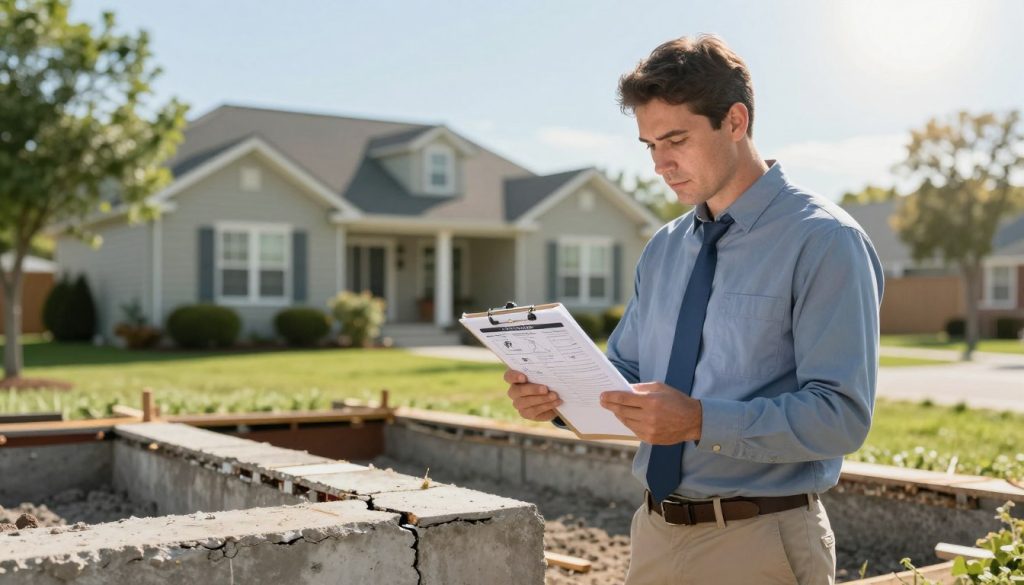
An appraiser is a neutral third party with no interest in the sale’s outcome. They must meet strict appraiser qualifications from state and federal rules. These experts evaluate homes based on data, not personal opinion.
Appraisers must meet several standards:
- Complete extensive state-certified education programs.
- Gain thousands of hours of supervised field experience.
- Follow the Uniform Standards of Professional Appraisal Practice (USPAP).
- Keep up with market trends through regular continuing education.
Distinguishing Between Market Value and Purchase Price
One key real estate appraisal tip is understanding the difference between the agreed price and the property’s value. The purchase price is what you and the seller agreed on. But the market value is the appraiser’s objective estimate based on similar home sales.
If the appraisal is lower than your offer, you face a gap. You might need to pay more, negotiate a lower price, or walk away. Understanding this difference early helps you prepare for any challenges ahead.
Key Factors That Influence Your Appraisal Report
When you’re ready to buy a home, knowing what affects your appraisal report is key. Understanding these appraisal value factors helps you know what to expect. A detailed appraisal report overview shows how different property features affect the price.
Physical Condition and Structural Integrity
The first thing an appraiser checks is the home’s condition. They look for wear and tear that could lower the property’s value over time.
Assessing Major Systems Like HVAC and Plumbing
Appraisers check if systems like HVAC and plumbing work well and are up to date. Well-maintained systems show the home has been well cared for. Outdated or failing systems can lower the value.
The Impact of Recent Renovations and Upgrades
Good renovations can really increase your home’s value. But, the appraiser looks at if these upgrades were done right. Quality is more important than quantity when it comes to adding value through remodeling.
Location and Neighborhood Comparables
A home’s surroundings greatly affect its value. Appraisers look at the neighborhood to set a fair price.
How Nearby Sales Data Shapes Your Home Value
The appraiser looks at recent sales of similar homes nearby. This helps set a baseline for what buyers are willing to pay. Local market trends are a big factor in the final price.
The Influence of Local Amenities and School Districts
Being close to parks, shopping, and good schools can make a home more appealing. These factors can increase demand and value. Desirable locations usually mean a higher price.
Common Red Flags That Lower Appraisal Values
A simple appraisal checklist can help spot issues early. Being proactive can help fix problems before they become big problems.
Addressing Deferred Maintenance Issues
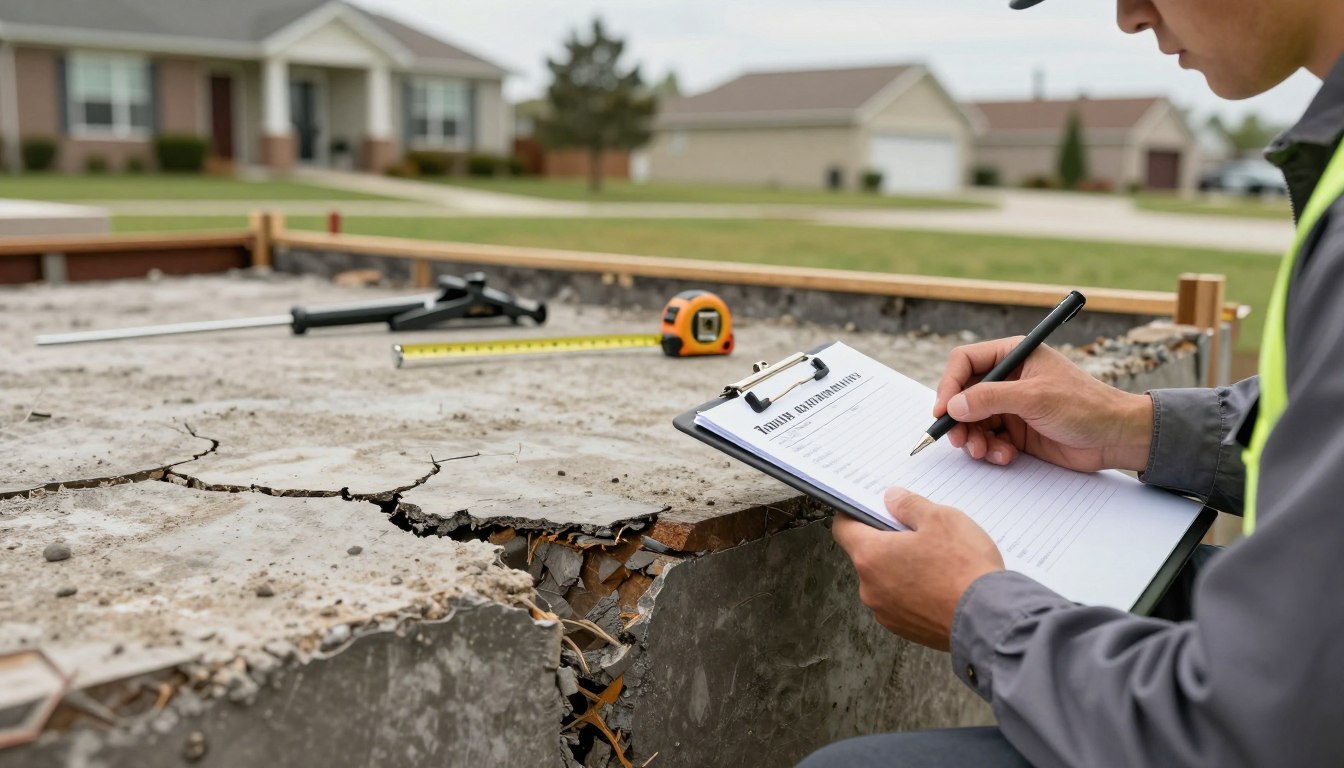
Signs of neglect, like peeling paint or broken windows, are red flags. They might indicate hidden structural problems. Here are things to check:
- Look for signs of water damage or leaks.
- Check the roof for missing shingles or sagging areas.
- Make sure all electrical outlets are grounded and work.
Navigating Safety and Building Code Violations
Safety is a top concern for lenders. Major building code violations, like unpermitted additions, are serious. Safety compliance is essential for most loans. Finding these issues early helps avoid delays.
Conclusion
Mastering the details of your property purchase protects your financial future. You now have the tools to check home conditions and understand complex reports easily.
Knowing the value of home appraisals is key to avoiding overpaying for a house. This step is a safety net for your mortgage lender and your wallet.
See the appraisal report as a guide for your negotiation. When you get the data, you can avoid bad deals or ask for repairs.
Home appraisals are essential for every successful real estate deal in the U.S. Use this knowledge to confidently move through the market.
Your journey to becoming a smart homeowner begins with these informed decisions. Talk to your real estate agent or loan officer at places like Quicken Loans or Wells Fargo to plan your next steps today.